Monday, September 8, 2014

10 Preps for under $10

Not actually Erin.
Picture by KJ Photography
& is used with permission.
Evelyn is out of commission with an ambush headache (I feel ya, sister, I know how much those suck) and so I'm posting a this last-minute "10 for $10" list.

This is essentially a companion piece to Friday's "Preps Found Around the House" post. I figured readers might find it useful to have a post of all the preps I can think of which can be bought on pretty much anyone's budget.

Hopefully you will find this list helpful.  Yes, it's filled with Amazon referral links; I have the pay the bills somehow. However, I've used everything listed here, and I'm only recommending things that I believe in.


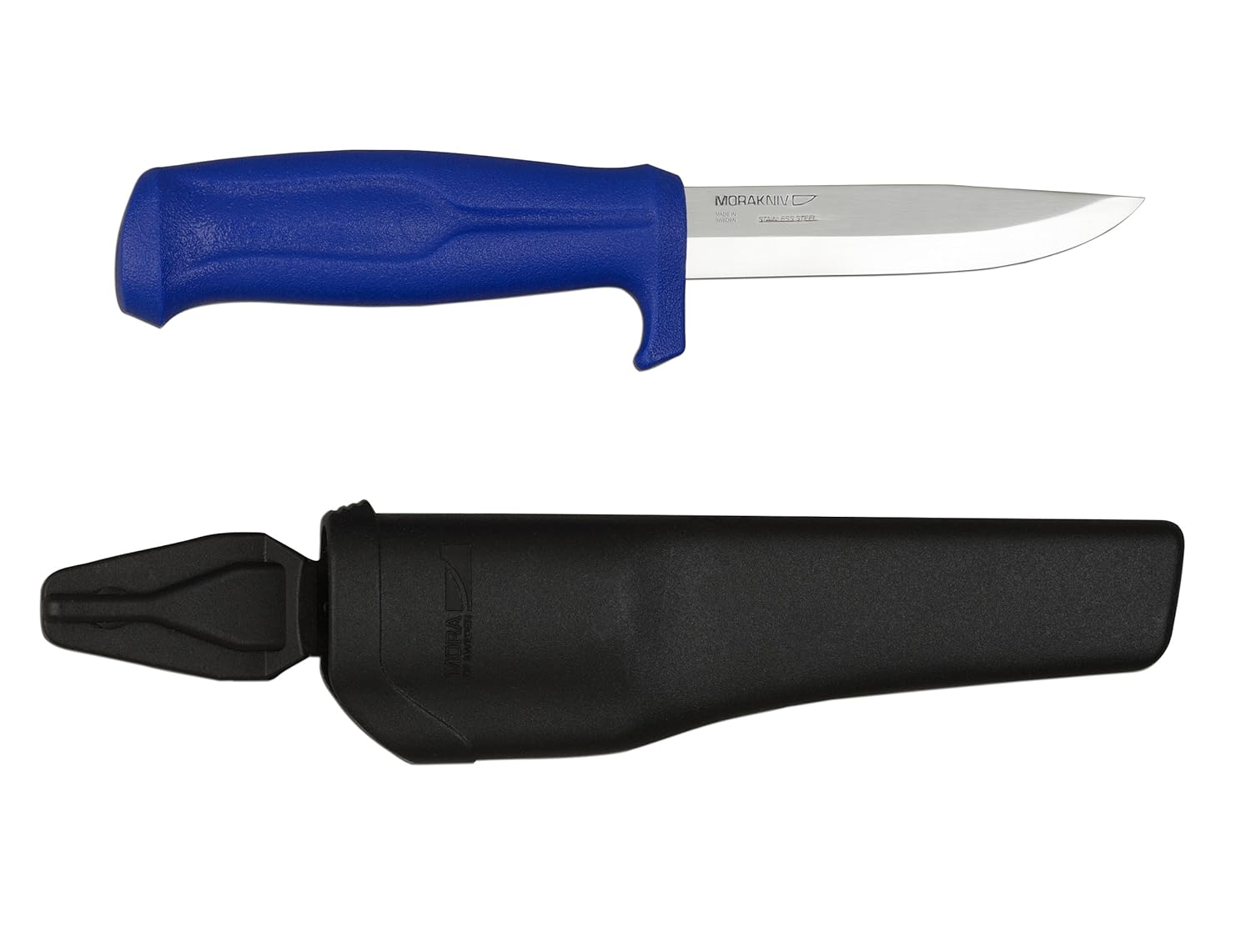
1) Mora Knife.  Every prepper needs a good fixed-blade knife, and Moras are some of the best kept secrets of the knife world -- very sharp, durable, high in quality and ridiculously inexpensive.  The carbon steel version holds a sharper edge, but is more prone to rusting, so I recommend the stainless steel version for new preppers or for folks who just want to throw a knife into their bags and not worry about it.

2) Break-Free CLP.  Speaking of rust, something like this goes a long way towards keeping your investments of metal tools free of corrosion.

3) EZE-LAP pocket diamond sharpener. If you carry a knife you'll need a way to sharpen it, and this little gadget is both effective and convenient. I've been carrying one in my EDC kit for years.

4) Nalgene Bottle. It holds a quart of water (almost a liter) and is practically unbreakable. (I'm sure dedicated destructoids could find a way.)

5) Stainless Steel Cup.  Get one that fits over the bottom of said Nalgene bottle.

6) Esbit Folding Stove. Put your cup on this stove and you can boil water, then pour the purified water into your bottle.

7) Water Pasteurization Indicator. Hey, you don't even have to boil water; just pasteurize it instead. Save time and fuel!

8) Sparkie Fire Starter. Recommended by Lokidude, this will get your fire going and you can even use it one-handed.

9) Rescue Blanket. They aren't exactly comfortable, but they're light enough to carry anywhere and they'll keep you warm and dry in a pinch. I suggest getting the two-person version, as it's always better to have more blanket for one person than try to fit two under a single-size.

10) Shemagh. I talked about this in the second Gun Blog Variety podcast. Get one in military colors and avoid red, red & white, black & white, and if you're in gang country, blue.


Saturday, September 6, 2014

Saturday Shout-Out: Firehand 3

Firehand has turned his "making kitchen knives from O1 tool steel" into a trilogy by writing a post (with pictures) about doing it without power tools. That's proper old-school, right there.

Go visit his blog and read the whole thing.


Part 1 here.

Part 2 here.

Friday, September 5, 2014

Prepping Items Found Around the Home

Not actually Erin.
Picture by KJ Photography
& is used with permission.
My "Prepping on a Budget" segment on Sean & Adam's Gun Blog Variety Cast seems to be doing well, so I figured readers might find it useful to have a post of all the preps I can think of which can be found around the house.

In the Garage

Duct Tape has a variety of uses, as anyone who's seen MacGyver will attest. But did you know it can also be used as tinder?

Trash Bags can be used for more than holding your trash. You can construct improvised shelters out of them, insulate yourself from the rain and cold, waterproof your feet, signal for help, etc.  I talk about their many uses on in Episode 3 of GBVC.

Ziploc Bags:  Why would you use these when you have trash bags?  Well, these are smaller, and so they're easier to work with if you're dealing with small, loose objects. Not only can you keep snacks in them, but they're useful for keeping tinder and kindling dry.  Also, if you have one of those Nalgene bottle survival kits and you need the bottle for water, what are you going to do with the stuff you dump out?  Put it all in a ziploc and you're golden.

Speaking of tinder, rub some Vaseline into cotton balls and you have fire-starting fuel that's practically waterproof. ChapStick also works for this, as it contains both wax and petrolatum.

The alcohol in a small bottle of Hand Sanitizer makes a dandy fire starter/accelerant, in addition to keeping your hands free from germs.

Disposable Lighters:  Since I'm on the subject of fire, let's talk about how to start one.  Skip the ferro rods and bow drills -- why not pick up a pack of Bics the next time you're at the grocery store? Small, cheap, and sturdy enough to be tossed into a pack, they're great for instantly starting a fire. Even when the lighter fluid runs out, you can still use the flint and steel to make sparks.

Bleach and an eye dropper: Chaplain Tim talked about this extensively in his excellent "Bleach For Water Purification" article.

Flashlight:  Pretty self-explanatory.  I prefer Maglites; the AA minis can fit in your pockets and EDC/Bug Out bags, and the larger D cell lights make dandy clubs if needed.


In the Kitchen

Manual Can Opener:  If you have canned food and you don't have an opener that doesn't require electricity or batteries, you're asking for trouble.  Get a manual opener from Walmart, Bed Bath & Beyond, or your grocery store.  If you want to keep an opener in every bug-out bag, get a pack of P-51 openers from Amazon.  My advice is to put them on bead chains so you can find them more easily, as smaller items want to shift to the bottom of packs.

Knife Sharpener: Even if it's a crappy kitchen knife sharpener, it's better than having dull knives. If you want something a bit more advanced, I recommend Lokidude's "Knife Maintenance 101" article.

Aluminum foil can be used to cook food even when the power is out. You can use it to line a box and make a solar oven. or you can wrap food in it and cook it directly on the coal/hot ashes.

Disposable aluminum foil pans can be used as pots to boil water.

Chewing Gum:  In addition to making your breath pleasant, getting a nasty taste out of your mouth, and making your teeth feel cleaner, chewing on gum will also help tame hunger pangs. In addition, the chewed residue can be formed while still moist and then left to dry into an improvised adhesive or plug.

In the Bathroom

Tampons & Maxi-pads:  They stop bleeding, right? Therefore you can use them on bullet wounds (tampons) and cuts/abrasions (pads). You can also use the cotton in a tampon as a sediment filter in a water bottle, or as tinder to start a fire.

Condoms:  Just go read this article to see how they can be used to store water (use the un-lubricated, non-spermicial ones for this), act as a tourniquet, and even become improvised gloves when dealing with biohazards like blood or vomit.

The mirror in a makeup compact can be used to look around corners, signal for help, and start fires.

Pantyhose can be used as a bag, or wound to create improvised bungee cordage.


Of course, this doesn't include all the regular things found in a home that can be of use in an emergency: blankets, towels, candles, first-aid kits, toilet paper, raincoats, etc.

Thursday, September 4, 2014

Care and Feeding of Oil Lamps


Since I live in a semi-rural area, my electrical supply is sometimes unreliable. Wind, ice, and trees tend to knock the power out at least a few times every year, for up to a day at a time (just yesterday I went two hours without power). Kerosene lamps are part of my normal life, but I realize that many people have never used one. This is an example of old-school technology that is still fairly common and can be very useful in an emergency.


Facts about Fuel

Oil lamps evolved from the basic wick-in-a-bowl that provided light for centuries. Instead of using animal fat as fuel, a variety of oils have been used depending on location and availability. Whale and fish oils were common near the coasts, while kerosene and coal oil were more popular inland.
  • Just about any oil -- animal, vegetable, or mineral -- can be used as fuel, so long as it is liquid and your wick material will absorb it. 
  • The amount of light put out by the lamp will vary according to the fuel you use, as will the smell. 
  • Each fuel has a distinctive odor that may or may not be pleasant. 
  • Do not use gasoline, alcohol, paint thinner or any other fuel that evaporates quickly in a wick-based lamp/lantern. I will cover those fuels in a later article. 
  • All liquid-fueled light sources involve fire. Extreme care needs to be taken to keep hot surfaces away from flammable materials. 
  • Remember that heat rises, so flammable materials above the lamp need to be considered when placing a lamp.
  • Keep children and morons away from lit lamps, unless you enjoy treating burns and putting out fires.

Anatomy of an Oil Lamp

Oil lamps come in a variety of shapes and sizes, from the simple table lamp to the “hurricane” lanterns commonly seen in old movies. They all share the same three main parts:
 
Fuel Supply
For a table lamp, the base is usually the fuel supply, keeping the weight and center of gravity low to keep the lamp from falling or being knocked over. Glass bases are common on table lamps because it allows you to see how much fuel is left without disturbing the lamp. For a hurricane lantern, or a lamp with a metal base, the easiest way to check the fuel level is to pick it up and shake it gently, listening and feeling for the “slosh” of fuel. 


Burner and Wick
The burner holds the wick out of the liquid fuel and usually provides some way to adjust the height of the portion of the wick exposed. The burner will have holes in the bottom to allow air to flow past the wick (covered by a guard on this burner) and supports for the chimney. Wicks come in varying widths and you can use a slightly smaller wick than your lamp is designed for as long as the teeth on the raising/lowering mechanism will still get a good bite on it. Have extra wicks on hand if you're expecting to use a lamp for a long period of time.


Chimney
The chimney is usually made of glass to allow the light from the flame out and protects the flame from breezes. I have seen some more “rugged” lamps that used sheets of mica (a translucent mineral that forms in layers) instead of glass, but being translucent instead of transparent, they don't allow as much light out. Any lamp or lantern that is made to be moved while lit will have some form of protection for the chimney since it is the most fragile part. Extra chimneys are good to have around since the lamp won't work well without one. They are measured at the base and for height (2 inch by 8 inch for example)


Before lighting a lamp/lantern

When it looks like the sun is going down or you're going to be moving around in the dark, you'll want to get your lamp ready. While not as complicated as a pre-flight check on an airplane, preparing your lamp properly will provide better light, more efficient fuel use, and less mess.
  1. Check your fuel supply. Top off the fuel if you have it, since keeping the wick wet is what allows it to draw fuel up to the top where it can be burned. There is a point where the wick will not have enough contact with the fuel to sustain a good burn, but that depends on the type of fuel and the type of wick being used. You can't have too much wick in the fuel, so keep the fuel level full.
  2. Check your wick. The purpose of the wick is not to burn, but to carry fuel up to the top edge where it can burn. Because the wick is so close to the fire it will char and burn slowly, but it is the fuel that is putting out the light. Blackened, charred wick material (like that shown in the picture above) doesn't carry fuel very well, so you'll occasionally need to trim the wick in order to keep fresh material exposed. Adjust the wick so that it protrudes slightly beyond the burner guard and use sharp scissors to trim away the burnt portion. Cut the wick into the shape of the burner guard, normally a gentle curve or at least cut the corners. The shape of the wick will affect the shape of the flame.


    This is what the flame will look like from a wick cut straight across. The flame concentrates on the corners and if you raise the wick much at all, it will smoke and soot up your chimney.


    After cutting the corners of the wick, the flame is more rounded with the peak of the flame more towards the center. This flame can be turned up or down through a wider range of light output without sooting up your chimney.


  3. Check and clean the chimney. Look for chips and cracks. The cheaper lamps use low quality glass that doesn't stand up to the heat of open flame very well. A crack or chip will spread once the lamp heats up and may cause the entire chimney to shatter or fall apart. Clean the chimney with soft cloth or newspaper. Keeping the glass clean lets out more light and looks better. Don't use any solvents to clean the glass and let it dry before before you light the lamp.
  4. Put it back together, making sure you get the base of the chimney inside all of the legs of the burner.


Lighting the lantern

  1. Clear a spot for the lamp to sit. Keep it away from curtains, drapes, cloth, pets, and other things that can catch fire.
  2. Have a match or lighter handy, but don't light it yet.
  3. Adjust the wick up to where it is well clear of the burner.
  4. Tilt the chimney enough to expose the wick.
  5. Strike the match or light the lighter and apply the flame to one corner of the wick.
  6. Snuff out the match and safely discard it.
  7. Place the chimney back on the burner base.
  8. Adjust the wick to give a small, even flame.
  9. After a few minutes, adjust the wick to give the flame that gives the desired amount of light.


Extinguishing the lamp

  1. Turn the lamp down to a low flame
  2. Holding your hand at about a 45 degree angle over the top of the chimney,
  3. Blow a sharp puff of air at your hand.
  4. Be aware that the chimney will be hot for a while after the lamp is put out.


The lamp I used as an example is a burner designed to fit on a Mason jar, so if the base ever breaks it is easy to replace. They can be found on Amazon, as can chimneys and replacement wicks. Another good source of parts and lamps is Lehman's


Hurricane Lanterns

Hurricane lanterns are similar, but they have wire guards around the globe or chimney and a metal top, bottom, and handle for carrying. The Dietz Air Pilot shown is one of the best on the market, burning for 24 hours on a fill and being as wind-proof as you can make a lantern. The main difference is the fact that the globe (chimney) is held down with a spring-loaded top cap, and the burner has a lever on it for lifting the globe enough to light the wick. Extinguishing the lantern requires lifting the globe and blowing out the wick.

Dietz lanterns are now made overseas, so the quality isn't quite what it was, but they're still dependable.

Older Lamps

Cheap Chinese oil lamps can be found in just about any "dollar" store and most big box hardware stores for just a few bucks. The better ones, made before 1960 or so, can be found in antique stores and at estate sales. Check used metal lanterns carefully for rust along the bottom edges, and be aware that some idiots like to drill holes in old lamps to convert them to electric power.

Long-Term Use

Lay in a supply of oil for your lamps and get the clearest, cleanest oil you can find. The more pure the oil, the longer the shelf life. Kerosene will keep for decades, although it will discolor with age. There are microbes that will grow in diesel fuel/kerosene, so you may have to filter older fuel before use. Plant and animal sourced oils will not keep as long, they tend to go rancid within a few months at best.

Wednesday, September 3, 2014

Guest Article: Prepping with Lupus

Editor's Note:  A while back, I asked chronic disease sufferers how their condition affected their preps. This article, by Renee Williams, is the only answer I received. BCP  welcomes more articles on this topic, so if you are prepper with a chronic illness, please let us know how it affects your prepping. 


Prep, you say? With my illness? Are you Crazy? 

- by Renee Williams

There’s been quite a bit of talk recently in prepping circles about whether or not your Plan will actually work based on your health and physical condition. As someone who has an incurable chronic illness, and who also happens to believe in preparing for disasters, I figured I’d give you my take on the subject.

I have Lupus.

The first thing you should know is that I've had my illness – Systemic Lupus Erethmytosis – for 25 years now since my official diagnosis. It is a retroviral autoimmune disease that is not transmittable to other people. In the most basic of layman’s terms, I’m allergic to myself.

My immune system went haywire back when I was in my early 20s and started fighting against me. Instead of only attacking bacteria or viruses I encounter, my immune system is hyperactive. When it gets bored, it attacks my own cells – my internal organs, my skin, my circulatory system, my nervous system – you name a body system and it can, and most likely has, been attacked by my own immune system at some point during the past 2 decades. 

I go through periods when it’s quiescent, and periods of kicking off in a major way, or "flaring" as it’s generally called. Stress makes it worse. Eating the wrong thing makes it worse. Exposure to long periods of ultraviolet radiation – you know, sunlight – makes it worse.

There is no cure. I will die with it, just as I have lived with it. I most likely won’t die from it, though dying due to a complication caused by the SLE is a definite possibility. I've watched as one parent, and several fellow sufferers of SLE, died due to complications that arose from this particular chronic condition. As often as not, the complications were actually not caused directly by the SLE, but by the various medications frequently used to treat the symptoms.


Preparing for SHTF with a chronic illness means medications.


1) Do I need them to survive, or simply to make surviving more tolerable?

If the answer is, “I have to have this or I am going to die,” then you really have to ask yourself whether prepping for a long-term collapse of civilization is practical. Prepping for short term is totally doable, even on medications that are necessary for day-to-day survival. Getting a couple of months of extra prescription filled, and putting them away in your bug out gear, is something that I do even with my “I don’t need it to survive, just to be fully functional and not a raving witch due to pain issues” meds. Having spares in your bug out bag for ditching home in a hurry due to Tornado or Hurricane can mean the difference between having them on hand during cleanup, and having to wait until your town has been rebuilt to get a refill.

2) Are there reasonable alternatives for any of my medications which can be achieved through diet, exercise, or traditional herbal remedies?

I've taken the time to learn about, and learn how to identify, herbal alternatives to my most frequently used medications. For example, knowing how to identify White Willow, and how to harvest the soft inner bark for use as an herbal tea,  is a good thing to have lying about in the back of your brain. The active compound in white willow tea is salicylic acid – aka aspirin! It’s that go-to pain reliever that we used for centuries prior to having Ibuprofen, Naproxen Sodium, and Acetaminophen as alternatives.

While not everyone is going to have any sort of serious interest in herbalism, a basic knowledge of herbal home remedies (especially those which can be backed up by modern science!) can be a life saver in case of a long-term disruption of our current tech base. I keep several herbs on hand – rotating the stock regularly so that it stays at peak effectiveness – as alternatives to general pain killers, muscle relaxants, plant-derived estrogen for female hormone therapy (not something males will necessarily need, unless it’s for their wife, girlfriend or daughter) and others.

At the very least, you should consider adding one or two books on basic herbalism and herbal remedies to your library. While it won’t make you an expert on the subject, most good books on herbalism give detailed descriptions, common climates and conditions where a particular herb grows, how and when it should be harvested, which portions to use and which to avoid, and detailed pictures for help in identification.


Am I in good enough physical shape to perform my skills when SHTF?

To some people, this is more important than taking stock of your medications and whether you need to keep a few extra months’ supply on hand. I consider it a secondary concern – If I have to have my medications just to live to see tomorrow, and civilization is ending, then the best I can do is say my goodbyes and try to teach my skills to someone who isn't dependent on chemicals. 

Since that’s not the case for me, personally (my medications are to make life more tolerable and less painful), I need to take stock of my current physical shape. I constantly joke that I’m in shape – after all, "Round is a Shape", right?

All joking aside, being able to physically manage to go foraging through the woods for a couple of hours to find wild growing herbs, or hunt game, is something that has to be taken into consideration. Standing for long periods of time is painful for me, even with medications. This means standing a watch is probably not going to be high on my list of capable activities. Sitting at a table and chopping vegetables, however, or butchering game meat or fish, then fixing dinner for the ones who are able to stand watch – that’s totally within my scope of Can Do.


Who do I team up with?

Some people are in good enough physical condition that they don’t necessarily have to have a whole team put together to get things done – it just makes it less time consuming, and somewhat increases the long-term odds. For me, or anyone with a seriously limiting physical condition, a team becomes a necessity because there are things I simply can’t do.

A 50 to 100 mile trek into the mountains on foot within a couple of days to reach a bolt hole isn't feasible for me. It’s just not. I wheeze and wince in pain if I try to walk the full circuit at the local mall too rapidly! Digging latrines, irrigation ditches, or even the initial work to set up a garden are also out of my reach. That’s where teaming up with people who are much more physically capable than myself becomes critical, and extends my odds for long term survival by several orders of magnitude.

There are also things that I can do, but which cause me so much stress that my disease flares up, which renders me incapable of doing much other than lying in bed in a fetal position trying not to cry. In a SHTF scenario, I don’t have the time – or the luxury – of lying in bed waiting for pain to go away, swelling to go down, and my body to be mostly functional once more. Time becomes critical to survival, and if I make myself sick attempting to do things that are out of my physical range, I waste that time and endanger myself
along with everyone else on my team.

Ultimately, you need to know the people you plan to bug out with, and make sure they understand, fully and completely, what your limitations are, and under what circumstances they’re going to have to pick up the slack.


Eventually, even in the best case SHTF situation, the person (like me) with a chronic illness is going to spend a portion of their time as dead weight. Be prepared for that, mentally and emotionally, and make sure that the people with whom you plan to survive are also prepared. It will save you all a lot of grief later on, and possibly keep things manageable so that a full on collapse doesn’t happen at a point that’s critical to everyone’s survival.

Tuesday, September 2, 2014

Utility Shut-Offs

Every place in this world has its own particular breed of disasters. One thing that they all share, though, is that they can require you to shut off certain of your utilities for a short time. Which utilities, when, and how long to shut them off all depend on what kind of disaster and local governmental instructions.

Knowing the location of these shutoffs is also very helpful if you have to have a service technician work on systems in your home.  If they don't have to search for needed shutoffs, it saves time, which saves on the cost of repairs. Unfortunately, these kind of shutoffs are frequently inaccessible to apartment-dwellers. I wish I had better news about that, but it's just the way it goes.


Water

My water shutoff
Any time there may be contamination of the water system, turning off your water can protect your interior piping, as well as any devices in the house that hold water, from contamination. Floods, hurricanes, and earthquakes can all cause this type of contamination, as can accidents during utility maintenance.

 Water shut-offs are usually low, in a basement or crawlspace.  They are also very commonly on the street-facing side of the house. (Mine happens to be in my crawlspace, at the very front of my house.) They'll be a simple valve -- just turn until it is closed.

Gas

A common natural gas meter.


Earthquakes are notorious for damaging natural gas lines. Powerful hurricanes and tornadoes can also damage internal gas lines in a home.  Natural gas has a noxious "rotten egg" smell that can be a dead giveaway to other leak issues as well.


A close up of the shut off valve.
A natural gas shut-off valve is a flat protrusion mounted on a gas meter. It  is a quarter-turn type valve, meaning it only needs to turn 1/4 rotation to shut off the flow. The adjustable wrench that I recommended for your basic tool kit is ideal for this task.

If you use propane or fuel oil instead of natural gas, contact your supplier and they can likely advise you on the location of your valve and method of emergency shutoff.

Electricity

Power meter
Power is shut off with a special circuit breaker or fuse known as a "Main."  It will be larger than your other fuses and breakers, and is usually clearly marked. Some are located in the same panel as the rest of your breakers or fuses. Some, like mine, are located adjacent to your electric meter, before power actually enters the house.


Main breakers
Power shutoff is especially important for folks who run a back-up generator to supply power during an outage. Permanent installs should have an automatic switch that shuts off the main breaker when the generator takes over.  Non-permanent situations should, at the very least, turn off the main breaker manually. This prevents power back-feeding onto the utility lines, and protects workers who are attempting to repair damage and restore power.


Locate and identify your shut-offs ahead of time, so you won't be scrambling to find them in an emergency.

Lokidude

Monday, September 1, 2014

Simple Comforts - Beef Broth and Ethnic Markets

Last week I talked about making chicken broth, so this week, seeing as how I had a perfect beef shank and bone, I figured I'd show you guys how I make beef broth.


Here's what it looks like when you dry rub meat. (Just in case you're that much of a greenhorn in the kitchen.)


After marinating it overnight (minimum) to a couple of days (maximum), you're ready to toss that sucker into the pot.  Now if you have a nice big piece of meat, and you'd like a really tender beef then throw that meat, including the bone, into the frying pan.  Get it good and brown on the outside and then set it into your pot.

You want the water level to be an inch above the meat.  Also, keep it on LOW heat. Beef has a tendency towards boiling over that chicken doesn't seem to have.


Now you can cut your meat up beforehand if you want, but still saute it before you throw it in. (I didn't in this case, but that was because this was my lunch for that day and I was impatient.)

Now if you look at where the knife point is resting, that is marrow. Nommy, good, hearty marrow.


If you look at the right picture, you'll see that this can be scooped out.  Now, I've seen folks say that you should scoop it out and put into the brew anytime from before you cook it to just after the top has turned brown, but whenever you do it is up to you. Throw the bone away (or set it aside for future use.)

Then you let the whole thing simmer, uncovered, for about ten minutes.  Add your veggies or noodles or what have you.


If you're doing exclusively for the broth, you will want to follow the same steps as previously mentioned for the chicken broth in straining the meat pieces and bone out. One advantage to cooking with beef is that the bones are bigger and easier to get. Those beef and chicken bones can be put and ground down into a incredibly high calcium powder. (Yes, this will be covered in a future article.)


And Voila!

Those are buckwheat/rice noodles by the way.  We get those at one of our local Asian markets. It's literally just buckwheat, brown rice and water. Asian markets are a blessing in disguise.  You can actually find solid chunks of fat, beef and pork in them. Most "American" style stores don't have that.

These chunks of fat are great for adding a few cups of meat flavor to the pot if you're making only broth and don't want to put meat into it.  They are what you want to look for when you want to make Tallow and Pemmican.  If you'd like to can some fish, the Asian markets are going to have the more reasonable prices for larger quantities of seafood.

At the one we go to, they have cans of coconut water with mango, pineapple, etc added. These are usually about 50 cents a can when on sale, and the cans are pretty sturdy too. They also have a wider variety of greens, rices, and canned goods like pickled spicy mustard greens (which, by the way, are actually really good).

The Ethnic markets that you have in your area bear looking into (barring certain neighbors with known reputations of ill-repute). Yes, you're probably going to stand out, but the that has happened when we've been at our market is getting winked at by the old ladies.  :)

The Fine Print


This work is licensed under a Creative Commons Attribution- Noncommercial- No Derivative Works 3.0 License.

Creative Commons License


Erin Palette is a participant in the Amazon Services LLC Associates Program, an affiliate advertising program designed to provide a means for sites to earn advertising fees by advertising and linking to amazon.com.