Monday, September 18, 2023

Vehicle Check: Winter Is Coming

The dust has settled and the First 72 Hours have passed. Follow along as I build a long term plan via Prudent Prepping.

Checking our vehicles is something we should be doing regularly, and it's important to do that now since winter with its cold weather, rain, and snow will be here soon.

Easy Checks
If you know when you bought your last set of tires, you're probably okay, but if you can't remember the year, grab a penny and put Honest Abe's head in the groove of the tire. If you can't see the top of his head, then you're set for a few more miles. But if your penny is showing all of Lincoln's head, then those tires should be replaced as soon as possible. 

While you're there, check your tire pressure. Don't know what your tire pressure should be? The number is molded onto the tire, and is also shown on a plate mounted to the driver's door frame showing pressure for front and rear tires as delivered from the factory.

https://nasaspeed.news/tech/wheels-tires/setting-air-pressures-for-hpde/


Tire Information
Many people change tire sizes, so the actual pressure shown on your tire should be your guide. Your tires may not have the numbers molded quite this large, but the information is there. Tire pressure should be checked on a schedule that is best for you; I check mine every third fill-up or once a month, depending how much I drive those weeks. 

Spare tires needs to be included in this as well; now might be a good time to clean out the junk in your trunk so that you can get to your spare in an emergency.

https://us.v-cdn.net/5021717/uploads/editor/1o/qhb6z50zixo9.jpg
 

Other Easy Checks
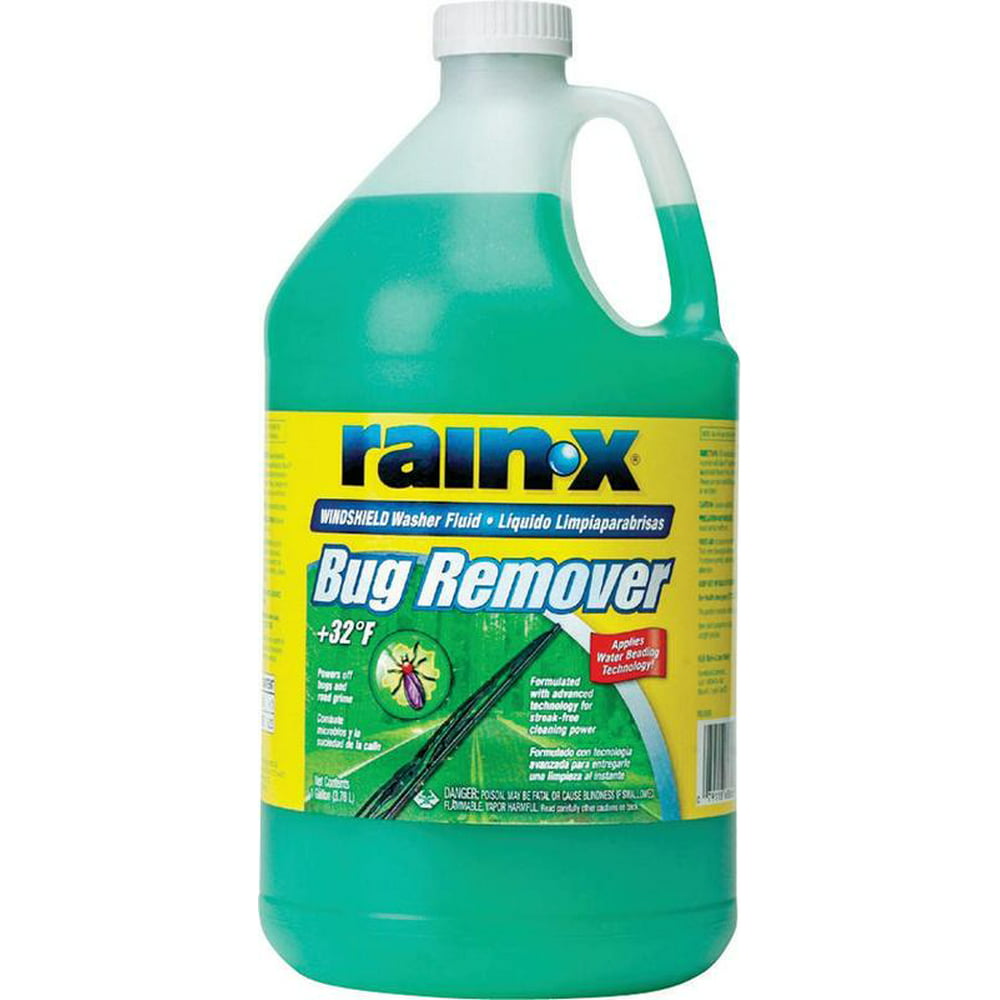
I checked the washer reservoir and topped up that with fresh fluid. I only use regular bug remover on my car, since it doesn't freeze here and I don't drive my car in the snow if I can avoid it; when there is a freeze warning, I add a small amount of lower-temperature washer fluid to get me through. 

Change your wiper blades now, if you haven't done it this year.
https://i5.walmartimages.com/asr/6d25174f-342a-432f-84fc-1fc8265d5e71_1.20469c6cc0c4e9a889858e6825c434a7.jpeg?odnWidth=1000&odnHeight=1000&odnBg=ffffff
My favorite

Not-So-Easy Checks

Brakes
If you have the room, the equipment and the skill, checking your own brakes is fairly simple. If you don't feel comfortable doing that type of work, the store where you purchased the tires will usually check them for free when you rotate your tires. Oh, you don't do that? Start now; you'll get more miles from your tires before Abe's hair starts to show.

Coolant
This is another thing that I don't have to worry about much, since it never gets below freezing for extended periods here and I don't drive in the snow if I can avoid it. In most cases, keeping the overflow tank filled to the minimum line with your recommended fluid is fine. If you don't know what that is, or can't find your Owners Manual, I would suggest driving to a trusted repair shop to look at your car.

The Really Simple But Expensive Way to Check All This
Most oil change stations can do all of these inspections and replacements for you while you are over the pit; just be aware that the prices you pay will be higher than doing the work yourself. But, it will be done all at once and correctly, with the ability of blaming someone else if something goes wrong!


Recap and Takeaway
  • Check your tires (including spares). 
  • Check your brakes. 
  • Check your fluids. 
  • Check your wipers. 
  • You are a prepper, so make sure you are doing things before the emergency!

* * *

Just a reminder: if you plan on buying anything through Amazon, please consider using our referral link. When you do, a portion of the sale comes back here to help keep this site running!

If you have comments, suggestions or corrections, please post them so we all can learn. And remember, Some Is Always Better Than None!

NOTE: All items tested were purchased by me. No products have been loaned in exchange for a favorable review. Any items sent to me for T&E will be listed as such. Suck it Feds.

Wednesday, September 13, 2023

Prepper's Pantry: Extracts and Syrups and Reductions, oh my!

When it comes to food preservation, there are many methods. One trait that most of them have in common is using most (or all) of the fruit or vegetable being preserved. However, another option is the extraction of only the flavor, or essence, of the food for use as an ingredient in recipes. Almost any herbal or aromatic plant, most fruits, and many vegetables can be processed using these techniques. Most of these methods are fairly simple, and require few (if any) ingredients other than the flavoring in question. The most common extra ingredient for the extracts, as an example, is time.

Filtered and bottled extracts in the author's pantry
 
Extracts
These are usually made by submerging a flavorful herb in alcohol for a variable amount of time. The resulting liquid, once strained, can be stored in a cool dark place almost indefinitely.

Every baker is familiar with the benefits of vanilla extract when making cookies or pastries.

Ingredients:

  • 6 vanilla beans
  • 1 cup 80 proof (minimum) vodka (or bourbon, or brandy, or even rum)
Instructions:

  1. Slit the vanilla beans so the beans are exposed. If the length of the vanilla beans don’t fit in the bottle or jar, cut them into smaller pieces.
  2. Place beans into bottle or jar.
  3. Pour the spirit on top, using a funnel if needed. Ensure the beans are fully submerged. Shake a few times.
  4. Store at room temperature out of direct sunlight. Shake every week or two. 
  5. This can be ready to use in as little as 8 weeks, but 12+ months is better.

When I make vanilla extract, I use a quart canning jar and approximately 24 oz of vodka. When done, I break it up into smaller glass jars and put a few pieces of vanilla bean in each one. These make great gifts for fellow bakers.

Mint is an extremely versatile plant. It can also be a nuisance with its tendency to take over any area where it's planted.

Mint extract: the beginning

Ingredients:

  • ½ cup mint leaves
  • 1 cup vodka
Instructions:

  1. Place the mint leaves in a clean mason jar.
  2. Using a muddler or a wooden spoon, crush them gently to release some of the oils.
  3. Pour the vodka over the leaves, then push them down to keep them submerged.
  4. Store in a cool dark place for 30 days, shaking occasionally.
  5. Strain and store in a lidded bottle in the pantry.
Mint extract: second straining


As with the vanilla extract, I use a larger quantity of both mint and vodka. When done I strain it twice, once to remove the leaves, then a second time through a coffee filter to remove any sediment.

Not only can mint extract be used in baking, but it's also a good insect repellent, and can help keep rodents out of cars. Just sprinkle a few drops on the cabin air filter and in the air vents every few months.

Mint extract: final product

Syrups
 
Basic Simple Syrup
For those who enjoy cocktails, simple syrup is a fairly common ingredient. At its heart, it's a super saturated solution of sugar and water used to add sweetness to, or counter bitterness in, mixed drinks.

Ingredients:
  • 1 cup water
  • 1 cup granulated or brown sugar
Instructions:

  1. Add water and sugar to a saucepan over medium-high heat.
  2. Bring the mixture to a simmer.
  3. Stir occasionally until the sugar has completely dissolved.
  4. Cool then store in an airtight container, in the fridge, up to four weeks.

Some simple syrup recipes advise reducing the volume by up to half during the simmering phase.

Ginger Simple Syrup
This can be used as is to calm an upset stomach, in baking, or mixed with seltzer for home-made ginger beer.

Ingredients:
  • 1 lb peeled and cut ginger
  • 2 to 2 ½ cups of water
  • 1 cup of sugar
Instructions:

  1. Measure the depth with half the water added, then add the rest and cook the mixture down to approximately that level.
  2. Strain and bottle when done and it should last in the fridge for three months or so.

This is an even simpler version, as no cooking is required, only time.

Apple simple syrup mid-process


    Ingredients:

    • 1 apple, cored and sliced thin
    • Equal weight in sugar, plus some for topping
    Instructions:

    1. Coat the apple slices in sugar and put them in an airtight jar in the refrigerator for 20-30 days. Make sure there is a layer of sugar on top.
    2. Shake every few days to break up the sugar that settles to the bottom.
    3. As with the ginger syrup, strain and bottle when done and it should last in the fridge for three months or so.

    When done, dehydrate the apple slices for a bonus tasty treat.

    Reductions
    A reduction is related to a simple syrup, but generally refers to savories that have been cooked down to thicken and concentrate the flavor. A similar concept is a glaze. The distinction between the two isn't a hard line, but glazes usually have a sweetener added.

    Beef or Pork Reduction

    A classic reduction is made from the juices left in the bottom of a roasting dish or pan after cooking a roast, generally beef or pork. Due to the variable nature of the main element, I'm going to list approximate ingredients and measurements the reader can adjust to taste.

    Ingredients:

    • Juices from cooking a roast
    • 1 tsp to 1 Tbs olive oil or bacon fat
    • 1 small to medium onion, diced
    • 1-2 cups red wine or red wine vinegar
    • Salt and pepper to taste
    • Garlic to taste, diced or crushed
    • 1 to 3 Tbs herbs appropriate to the type of meat
    • 1 Tbs butter (optional)
    Instructions:

    1. Add the oil, onion, and wine/vinegar to the pan.
    2. Over medium heat, scrub the bottom of the pan to incorporate the browned bits.
    3. Cook until the onion is soft, and the liquid is reduced by approximately half.
    4. Taste the liquid and add salt and pepper to taste.
    5. Add the garlic, herbs, and (if desired) the butter.
    6. Cook until the butter is melted and fully incorporated, or the flavors are blended to taste.

    Some people like to add a cup of beef or pork stock before the salt and pepper and cook down by half again. For a smooth result, use a stick or stand blender, or a food processor, to liquefy any remaining solids before serving.

    Ingredients:
    • 2 cups balsamic vinegar
    • ½ cup brown sugar
    Instructions:

    1. Mix in a saucepan over medium heat, stirring constantly until the sugar has dissolved.
    2. Bring to a boil and reduce heat to low.
    3. Simmer until volume is reduced by half (about 20 minutes).
    4. Let cool, then pour into a lidded jar. Seal and store in the refrigerator.

    This will last indefinitely. I use it on pork and chicken, as well as drizzled over mozzarella and fresh bread.

    Note: when chilled it will thicken considerably, as in "a spoon will stand up in the jar" thick. Heat it in the microwave in 10 to 15 second intervals until the desired consistency is achieved. A hot water bath can also be used, but will take longer.

    I said the balsamic glaze was thick (or should I say "thiccc"?)

    There are many other flavorings that can be preserved through these methods. Bon appétit, and happy experimentation. 


    Sunday, September 10, 2023

    Bug Out Rations

    Not actually Erin.
    & is used with permission.

    When it comes to food for bugging out, there are many options that are nutritious, portable, and shelf-stable. 

    I didn't mention "tastes good," did I? That was deliberate. The two biggest problems I have encountered when choosing bug out rations are their palatability and the amount of volume they occupy. This post will be a brief overview of what I believe are the best choices for bug out foods, with more detailed articles coming later. 


    Survival Ration Bars

    http://amzn.to/2tt3P46

    Also known as "lifeboat rations", these are vacuum-sealed packages of bars of... well, I don't know if I'd call them food per se, but they meet Coast Guard standards of life-sustaining nutrition. 
    • The Good News: They have a small form factor; have a five-year shelf life at room temperature or above, as they are designed to be stored in life rafts; and are inexpensive (about $12 for a 3600 Kilocalorie package).

    • The Bad News: Flavors start at "not bad" and get worse; flavors are consistent throughout the package, which can result in appetite fatigue; Kcal ratings are based on being sedentary and waiting for rescue (1200 Kcals per day for three days) and not being active -- activity will double your calorie requirements. 
    Chaplain Tim wrote an excellent series on survival ration bars on this blog, and since I agree with his assessments I feel no need to duplicate his efforts. Please go read his posts to learn more. 


    Meals, Ready to Eat (MRE)

    https://www.mreinfo.com/mres/#

    If you're a prepper, you know what these are and likely have eaten at least one. If you haven't, these are high-calorie single meals with a lunch/dinner menu; I believe that at one point there was an omelet MRE and it was... not good. In fact, the flavor profile of MRE is such that they have been dubbed Meals Rejected by Everyone, although they do continue to improve over the years.
    • The Good News: They come in a tough, watertight bag which protects the food from pests and weather; they stay good for at least 3.5 years when stored at room temperature; they are designed to provide an infantryman enough calories to fight; they are reasonably affordable at around $20 per meal

    • The Bad News: Food taste and texture can be hit or miss; high amounts of protein and sodium in meals can result in dehydration and constipation if you don't drink enough water; at an average weight of 22 ounces and dimensions of 12"x8"x3", each meal is larger than an average hardcover book and nearly twice as heavy; breaking down an MRE into smaller elements greatly reduces its longevity. 

    Humanitarian Daily Rations (HDR)

    https://www.mreinfo.com/other-us-rations/current-us-rations/humanitarian-daily-ration/

    Not many people have heard of Humanitarian Daily Rations; the short version is that they are "like MREs, but for civilians" and are handed out at disasters or given to natives as a show of goodwill. Unlike MREs, HDRs provide a full day's worth of meals for an adult. Also unlike MREs, they are strictly vegetarian, although they are not vegan. Per mreinfo.com, "In order to provide the widest possible acceptance from the variety of potential consumers with diverse religious and dietary restrictions from around the world, the HDR contains no animal products or animal by-products, except that minimal amounts of dairy products are permitted. Alcohol and alcohol based ingredients are also banned."

    I have not yet eaten one of these, but a friend of mine has, and I will include his review in the expanded article on HDRs. 
    • The Good News: They contain an entire day's worth of food; they are less expensive than MREs (about $10 per HDR); their packaging is comparable to  that of MREs, so shelf stability and impermeability is similar; they are designed to appeal to as wide a demographic as possible. 

    • The Bad News: Their taste is similar to MREs; vegetarian but not vegan is likely to make everyone unhappy; lack of animal proteins may result in lack of energy in high-activity situations; there is no chemical heater like MREs have. 

    First Strike Rations (FSR)

    https://en.wikipedia.org/wiki/First_Strike_Ration

    First Strike Rations are relatively new, having been invented after the onset of the Second Gulf War. True to their name, they are a lightweight, high-calorie meal system that is meant to be carried by soldiers and Marines during the initial stages of war when odds are high that they will be beyond the reach of resupply for days. Because of this, the FSR is meant to be eaten by hand (although a spoon is supplied for convenience) and do not need heating to be palatable; pocket sandwiches, energy bars, and other finger foods predominate. Unlike MREs, they carry a full day's supply of food, including snacks and caffeine in various forms, and despite all this are approximately half the weight and dimension of the three MREs it would take to match its nutrition. 

    There will be a greater review on FSRs, but I want to say that they have been an absolute game-changer for me when it comes to packing BOBs and GHBs. Furthermore, they taste good. I opened one at my LibertyCon demonstration to show its contents and I ate it on the way home the next day. While I wouldn't call it great cuisine, I enjoyed the taste of every component within the ration pack; at worst, it reminded me of a packed school lunch, and at best it was similar to tasty fast food. 
    • The Good News: A full day's worth of food in a package slightly larger than a single MRE; easy to eat on the move / one-handed; plenty of snacks, goodies, and caffeine; the food tastes good.

    • The Bad News: If you want a hot meal you will be disappointed, as heating  pocket sandwiches doesn't do much and hot applesauce is disgusting; the lighter-weight packaging which reduces weight and volume also cuts the shelf life; an individual FSR costs about $30-$35; buying a case of 9 gives you a better per-unit cost (sometimes as low as $15 each) but the case costs over $130. 


    Which of the three-letter ration packs (MRE, HDR, FSR) would you like to see reviewed first?

    Thursday, September 7, 2023

    A Different* Take on Bags

    * Not really that different.  

    The dust has settled and the First 72 Hours have passed. Follow along as I build a long term plan via
     Prudent Prepping.

    It's time to announce the true identity of the Purple Pack Lady as my lovely and extremely hardworking wife, Ophelia, aka Ophie. She doesn't have any online presence, anywhere, so there is nothing to follow. With that out of the way, on to the real post.


    Get Home Bag Preps
    Ophie's daughter now lives in a snowy winter area that is also subject to wildfires, which was at first blamed on climate change but in fact has now been shown to be 50% arson at a minimum. The better news is that the closest forested areas are several hours drive away for her town, and there's another saving factor in that  her work is in the entire opposite direction of the forested areas that might possibly burn. While her distance from the fire areas is nice, power lines have been down from fire damage, and the house has been dark for several hours on several different days.

    I did send the duplicate bag I made for Ophie to her daughter, but due to slightly different conditions than here, we have modified it quite a bit. This post was what was I did to address the specific differences. Since she is now settled and not going to move any time soon, she needs to start making preps for home and at work.

    Stranded at Work
    Since her work is in a relatively large city, being without food isn't the issue, but sleeping/staying at work  could be hard if the snow is bad. Her mother and I both have scolded her for trying to get home in bad weather, so her plans are now to stay put, which means either keeping sleeping gear in the car or stowing it at the office. 

    My suggestion was to keep it at work, since the decision not to head home will be made there and that slightly more bulky items could be used. Keeping even more preps in her car means buying smaller and lighter, and therefore more expensive  items designed for backpacking. I've sent her links to what I recommend, as the stores I use aren't the same as there and Amazon is different as well.

    Stuck at Home
    This can get expensive either quickly or slowly, depending on how you want to look at things. As she lives in a rental and not her own place, the recommendation for me is to keep it simple and spend money slowly. Culturally, being prepared for both emergencies as well as hospitality is built into her; I've never gone to visit anyone from her culture without being offered twice the food that I eat for a similar meal and having food to take with me when going home. 

    Storing slightly more of the basics in water-resistant containers, like a trash can with a tight-fitting lid, is what I suggested. I can't seem to find an inexpensive source for 5 gallon food-grade pails and lids in her area, so those are something to find later. I did find the local equivalent to these Ozark Trail 6-Gal Water Storage Jugs for her.

    From Walmart's website:
    • Traditional jerry can design
    • Heavy-duty plastic construction
    • BPA-free water jug is safe for storing household water supply
    • Ozark Trail 6-gal water jug has a spout system
    • Angled handle for 2-handed gripping
    • Easy to lift and pour
    • 6-gal capacity can keep 1 person hydrated for a week in an emergency situation
    • Keep in your vehicle as part of a supply kit
    • Ideal for camping and hunting
    I have similar jugs purchased form Walmart and other places. I like the fact that they will nest well together, and aren't so heavy at 6 gallons that they can't be lifted by shorter and slightly-built people. My suggestion was to start with buying 1-2 per person for cooking and 1-2 per person for sanitation. The chances for a longer outage are fairly remote, so this should be a decent starting point.

    Cooking
    This is an easy one, since grilling is a way of life for her and if there isn't a charcoal BBQ close, something is really wrong! There is a Solo Stove in her GHB which I hope will never be needed, but is there just in case. I do recommend keeping an eye on the Solo Stove Home Page for sales, as that is where I made a great buy on 2 Solo Lites several years ago. 

    Recap and Takeaway
    • Check in with friends and family to see if circumstances have changed, either at home or travel related. That could change what you carry or store.
    • Dealing with folks that have a history planning for disaster makes prepping so much easier!
    • Nothing was purchased by me for this post.

    * * *

    Just a reminder: if you plan on buying anything through Amazon, please consider using our referral link. When you do, a portion of the sale comes back here to help keep this site running!

    If you have comments, suggestions or corrections, please post them so we all can learn. And remember, Some Is Always Better Than None!

    NOTE: All items tested were purchased by me. No products have been loaned in exchange for a favorable review. Any items sent to me for T&E will be listed as such. Suck it Feds.

    Tuesday, September 5, 2023

    Prepper's Armory: Suppressors

    Hiram Stevens Maxim is probably best remembered by the firearms community as the inventor of the Maxim Gun, the first effective and reliable true machine gun. However, in addition to his many other inventions and achievements, Hiram Maxim did something else: in 1869 he fathered a son named Hiram Percy Maxim.

    Like his father, the younger Maxim was also an inventor of note, with a number of designs and patents to his name, including the subject of today's post: the silencer. Perhaps I should call them suppressors, mufflers or moderators as these devices soften, but do not completely silence, the report of a gunshot. Regardless of the proper terminology, however, Hiram Percy Maxim called them silencers, creating the Maxim Silent Firearms Company in Hartford, Connecticut in 1908 while waiting for his patent to be approved. In 1912, he incorporated the business as the Maxim Silencer Company.

    However, I'd prefer to focus on the technology itself. In patent number 916885, issued on March 30, 1909 and titled "Silent Firearm", Maxim described his invention as:

    "A silencing device for firearms, comprising a supporting shell or casing and a series of diaphragms or spreaders disposed in said shell or casing and forming therein a succession of chambers, each of such diaphragms or spreaders having an opening for the passage of the projectile and for the escape of the gasses from each chamber into the next and from the last into the atmosphere."

    Detail of Silencer from Maxim's Patent


    Allow me to rephrase this in modern English: after the bullet passes through the suppressor, the propellant gasses are diverted by these diaphragms and fill the chambers, both slowing and cooling said gasses, until eventually they exit the suppressor, reducing the audible volume of the shot by varying degrees.

    Current terminology calls the diaphragms or spreaders baffles and the chambers are called expansion chambers, and units with different shapes, numbers, and sizes of both chambers and baffles are regularly designed in an attempt to reduce weight and improve efficiency. See the list at the bottom of this article for more information.

    Early silencers had some notable differences from the devices we're generally used to today. First, Maxim's original silencers were designed with the bore axis off center from the tube, which meant the mass of the silencer hung below the line of the barrel, allowing the use of factory iron sights. With few exceptions, most modern suppressors are concentric to the firearm bore and require either a raised optic, or special suppressor-height iron sights.

    The second difference is the internal arrangement of expansion chambers. Maxim's silencers were designed to direct the escaping gasses in a particular manner. In his own words:

    "They [meaning the gasses] are made to dissipate their energy by being given a rotary or whirling movement in a suitable chamber, the velocity being so great that the gasses are held by centrifugal action against the wall of the chamber until by friction against such wall the velocity is gradually retarded and the gasses are permitted to escape gradually through an opening."

    This design, while effective, is more complicated and therefore more expensive to produce. Simpler, but nearly as efficient suppressors are available on the current market.

    Two of the author's auppressors


    One thing to keep in mind is that suppressors are not like what we hear in the movies or on TV. They don't reduce the sound of a gunshot to a soft thud; it's still clearly a gunshot, and it's generally uncomfortably loud at close range or indoors. While suppressors can potentially reduce the noise of a gunshot by up to 35 decibels, about as much as quality ear protection, the resulting volume is still frequently above 130 decibels. According to OSHA, 140 decibels is the danger level where immediate, permanent, hearing damage occurs. 

    The most efficient suppressors, on the smallest and quietest caliber firearms, generally only reduce the sound of a gunshot to between 110 and 120 decibels. For comparison, fire engine and ambulance sirens are generally in the 120 decibel range. The ability to suppress a firearm to truly comfortable hearing safe levels is more of a challenge than most people realize.

    Same suppressors mounted on different firearms


    In addition, any projectile that exceeds approximately 1,125 feet per second will still break the sound barrier and create a sharp crack when fired. This is why special subsonic ammunition is available for shooting suppressed firearms, generally pushing heavier bullets at lower velocities, such as 147 grain 9mm and 200 grain .300 AAC Blackout.

    With the development of additive machining and improved materials technology, modern suppressors can be more efficient and lighter than their predecessors. There are a number of suppressor companies offering a wide variety of units in different calibers, styles, and price ranges. 

    The only reason suppressors aren't more common and less expensive is legislative. Thanks to the National Firearms Act of 1934, those wishing to purchase or construct a suppressor must first send an application to the Bureau of Alcohol Tobacco Firearms and Explosives. This includes submitting notarized forms, fingerprints, informing the chief law enforcement officer in the applicant's jurisdiction, and a non-refundable $200 fee.

    While wait times can vary considerably, eight to nine months seems to be fairly common. My last suppressor application was submitted in early December of last year, and was finally approved in early August of this year, for a total of about 250 days.

    Currently, private possession of suppressors is legal in 42 states. However, they may not always be legal in every municipality in those states. In addition, suppressors can be used for certain types of hunting in 41 states. For those interested in contributing to the fight for greater suppressor liberty, I highly recommend making a donation to the American Suppressor Association.

    Whether they're called silencers or suppressors, mufflers or moderators, these beneficial firearm accessories should be inexpensive and readily available to all shooters. Hearing damage is cumulative and permanent and will eventually affect us all.

    Have fun, and safe (and quiet) shooting.

    Tuesday, July 4, 2023

    Fireworks Safety

    With Canadian Independence Day just past and the Fourth of July today, I'd like to talk about fireworks and fireworks safety.

    The concept of fireworks dates back over two thousand years, and they've come a long way from their origin of paper or bamboo tubes thrown into a fire. Since then, we've added new colors, the ability to launch them, and considerably better reliability. However, at the end of the day we're still dealing with a variety of small (or not-so-small) explosive devices, so a certain amount of care is required around them.

    If you are attending a professional display, just stand back and enjoy the show. People who do this kind of thing for a living are very careful, and a considerable amount of planning goes into even a small professionally-run fireworks show.


    When setting off fireworks as a private individual, there are some basic guidelines that should be followed for the welfare of all involved:

    • Only fireworks about to be launched should be out of their packaging.
    • One responsible person should be in charge of setup and lighting.
    • Communication between that person and any assistants is essential.
    • Lighting should be done using some sort of standoff device, such as a grill lighter, fireplace matches, or a road flare.
    • Buckets of water, buckets of sand, and/or fire extinguishers should be kept handy.
    • As with firearms, absolutely no alcohol should be imbibed by anyone involved in setting up or launching the fireworks!
    • After the show is done, a walkthrough should be performed to look for any live embers.
    • While generally not needed, some people will benefit from hearing protection during a fireworks show, either public or private.
    • And finally, be considerate of others. Any detonations should be limited to the few days centered on an appropriate holiday and no later than around eleven o'clock at night. Also, keep any pets inside with a comfortable place to hide.


    Two quick stories to reinforce the importance of safety when dealing with fireworks:
    1. My grandfather was missing two fingers on one hand because when he was young, he'd been setting off fireworks with friends, and he held onto one for just a bit too long. This is why fireworks should always be placed on a stand before being lit.

    2. Back when I lived in New York, one of my friends on the fire department would have a big party on July 4 every year, including several hundred dollars worth of fireworks. Me, being me, I was voluntold to be in charge of setting up the fireworks. This included unwrapping them, splicing and taping fuses, and setting up ground launchers and mortars... basically, everything except actually lighting them, though I did get to do some of that as well. Franky, I found the setup aspect more interesting and intellectually stimulating than the lighting of fuses part.

      At one point, I turned around to find the host trying to unwrap a package of fireworks. There were several problems with this: it had been agreed that I was the only one who was supposed to be doing that; he was drunk; and he was using a butane grill lighter (with his finger on the trigger!) to try and get the package open. I politely relieved him of both the fireworks and the launcher and sent him on his way. I'm happy to report that there were no other incidents, and no fireworks related injuries occurred that night.

    Be aware and be careful, so we can end the holiday with the same number of digits and holes we started with.


    Sunday, July 2, 2023

    BOB Ergonomics

    Not actually Erin.
    & is used with permission.

    The biggest problem I have with creating a Bug Out or Get Home Bag isn't assembling it, but rather with its ergonomics. I want to be able to retrieve quickly and easily things that I will use often, such as insect repellant or sunscreen. Things which I will not need often, such as my tent, can then be packed deep in my bag and not be as easy to retrieve. 

    Such extremes are obvious, but things become more complicated as I progress to the middle. A simple choice is trauma gear, like a pressure bandage and tourniquet; while I hope I will never need to use them at all, let alone repeatedly, but if I need them I will need them right now and therefore they must be quickly and easily accessible. Unfortunately, they are also bulky and take up a fair bit of space, which means that I don't have room for all the things which I would like to have handy. This is why I say that ergonomics is my biggest problem; when I am working with a BOB/GHB, I end up playing a mental game of "How often will I need this?"

    As a case in point, let us consider toilet paper. You'd think that when you need to go, you need to go right now, and that may be true for people with sensitive bladders or tricky bowels. For me, right now at least, I'm not at that stage; I typically have a window of five minutes or more between "I think I need to use the toilet" and "I AM GOING TO EXPLODE." Combine that with the knowledge that I will need to take off my pack before I do my business in the bushes and that means I can safely put the toilet paper in the less-accessible parts of the pack, because I will be stopping for several minutes. 

    Ah, but on the other hand I have allergies, and that can mean runny nose and watery eyes, and I will need some kind of tissue to help with that! So do I keep the TP in the quick access area for allergy purposes? Or do I pack some Kleenex or similar to help with that and keep the TP elsewhere? This is the sort of conundrum which perplexes me. 

    This is what is going through my head these days as I rebuild my BOB and my GHB, which I took pieces from in order to build a demonstration "jack of all trades BOB" for my presentation at LibertyCon last weekend. In my experience, it's always harder to make a generalized pack than a specialized one, because specialist packs can rule out certain conditions which generalist packs cannot. For example, because I live in central Florida where it maybe flirts with freezing about one week out of the year, I can get by with three-season gear, whereas those of you who live in states with actual winters cannot. An urban GHB will have little need for water purification, as municipal water treatment should have eliminated giardia and cryptosporidium by the time it's reached the city; a more pressing need will be getting to that water, so a sillcock key is highly recommended to activate publicly accessible faucets. A rural GHB will be the exact opposite, with few locked faucets but likely lots of flowing (or standing) water of questionable cleanliness. 

    https://amzn.to/3NzTYEe

    ... that was certainly a digression! Getting back on topic, I needed to steal from my BOB and my GHB in order to build a demonstration BOB that could do anything. Now that I'm back home (and mostly recovered from whatever con crud I picked up) I won't be happy until I have at least one of my bags reconstituted. You'd think that would be easy, but it isn't, because putting a bag back together forces me to re-examine my thinking regarding bag ergonomics. This slows me down a great deal; the only real comfort I have is knowing that each time I rebuild a bag, it's better than it was before, because each new version benefits from the wisdom of previous iterations. 

    Speaking of wisdom, if you ever think you absolutely have command of a subject, prepare to teach a class or give a presentation on that subject. I guarantee you that you will think of questions (and problems!) you'd never before considered, as the act of explaining the subject to another person forces the mind down new paths. I am a better prepper for having taught my class, as the act of explaining my reasoning for things caused me to confront certain assumptions I'd made which I hadn't noticed while thinking quietly to myself. 

    So, to summarize:
    • Generalist BOBs/GHBs are bigger and heavier than specialist. 
    • Tearing down and rebuilding your bag will result in a better bag. 
    • If you think you know your stuff, teach a course to realize all the things you don't know. 

    The Fine Print


    This work is licensed under a Creative Commons Attribution- Noncommercial- No Derivative Works 3.0 License.

    Creative Commons License


    Erin Palette is a participant in the Amazon Services LLC Associates Program, an affiliate advertising program designed to provide a means for sites to earn advertising fees by advertising and linking to amazon.com.