Showing posts sorted by relevance for query rain cape. Sort by date Show all posts

Friday, February 7, 2014

SHTFriday: Zones of Assessment - the Get Home Bag

Not actually Erin.
Picture by KJ Photography
& is used with permission. 
Welcome back.

In Part 1, I talked about the theory behind Zones of Assessment and discussed what I have as my Every Day Carry equipment. I was rather surprised that no one could find fault with anything I was carrying, or pointed out a critical piece of equipment that I had forgotten.

(Either that, or people don't like the way the comment system is integrated with Google+.  If so, please email me [erin.palette@gmail.com] and let me know so that I may address this problem.)

Now we move on to Zone 2, which I define as "Whatever kits or bags I have nearby, whether they are in my car or in the 'go' position at home." Even if I am wearing them, I still consider them Zone 2, because I can't access what is inside them without first taking the bag off and then opening it up. Immediate access is the purpose of Zone 1.  Zone 2, therefore, is "stuff you can get to within a few steps,"  and because of this built-in delay my bag is filled with things that I am unlikely to need quickly or often.

I expect there will be debate regarding "Should item X really be relegated to Zone 2? Or should it be more immediate?"  The answer, dear readers, is often "It depends." My needs are not your needs; my bag is not your bag.  While would not think someone foolish for carrying a trauma kit in Zone 1, I don't carry one because I haven't ever needed it. Conversely, I have needed and/or used everything in my EDC (with the exception of my pistol, thankfully).  It's all a balancing act of  use vs. perceived need vs. usable space.

Similarly, the contents of a bag will be different based upon its purpose:
  • a Car Survival Kit [CSK] summons help and keeps the user alive while waiting for rescue. Used in instances of being lost and running out of fuel, or being stranded due to weather and/or mechanical difficulties. Portability is not a requirement; food, water, warmth and signal abilities are emphasized. 
  • a Get Home Bag [GHB] is meant to allow the user to endure the walk home from a distant location (usually their job) in a crisis situation. Emphasis is placed upon  portability and being inconspicuous. 
  • a Bug Out Bag [BOB], aka the I'm Not Coming Home [INCH] bag, is meant to be a more complete, long-term kit for survival after a disaster. Some are meant to be portable, and some can only be carried in vehicles. Emphasis is placed on long-term (over a week) needs. 

Since I live in a suburban area, I rarely need a CSK. My BOB, which is built around the concept that I might need to evacuate from a hurricane or a wildfire, is too large to discuss in this particular post (though I will talk about it later).  Therefore, I will be showing you the contents of my GHB.

Before I begin, a bit of a confession:  I have a tendency to overpack. I am still in the "carry as much useful stuff as possible" stage of prepping, and therefore I am most likely carrying far more than is useful. The only things I can say in my defense are:
  1. I am still learning;
  2. I can (and have) carried it for several miles;
  3. It isn't as heavy as it looks. While I'm not going to tell you how much I weigh (please allow me this vanity), I can tell you that it's just a smidge more than 13% (1/8th) of my body weight. 

The contents of my Get Home Kit:
  • A surplus Swiss rain cape.  While the Alpenflage is not inconspicuous, the fact that it can cover both me and my pack, and also serve as an emergency shelter, makes up for it. It also sheds water like crazy, which is important in a wet state like Florida. Also of interest:  the camo pattern works really well here, with the red-brown perfectly matching the shade of pine straw. 
  • A boonie cap sprayed with waterproofing agent. I prefer this to the hood of the rain cape, as the hat neither restricts my field of vision nor impairs my hearing like the hood does. I recommend the Australian version, as it has a much wider brim than the American style -- unsnapped, it protects nearly all of my shoulders from the rain. 
  • A pair of  boots that are both waterproof and leather. This pair is from Smith & Wesson, and they're practically a combination of combat boot and tennis shoe. I've worn them extensively and they feel great. 
  • My bag is a SwissGear SA9259 Backpack. It is rugged, comfortable, carries a lot of stuff and also has a waist belt. Sadly, this particular model is no longer being made. However, the SwissGear SA1923 ScanSmart Backpack looks to be quite similar in function and design.  

Let's start opening up pockets and see what's inside, shall we?

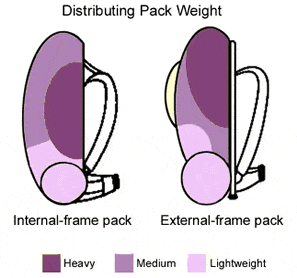
Because this is a backpack and not a military rucksack, there aren't many options for "This kind of gear goes here, that kind goes there," and so I have to place the gear wherever it fits the best. In many instances -- specifically in the main compartment -- this is a simple case of "Put the light and bulky stuff at the bottom so the heavy stuff ends up as close to the middle of my back as possible."  While this does increase the amount of time it takes to get to my equipment, again I reiterate: this is Zone 2. Portability is more important than access. 

In the Laptop Compartment:

  • Shemagh (placed on top; the only item I might need quickly).
  • Several large-capacity drawstring trash bags -- they have a variety of uses.
  • One of those cheap carabiners you get at Wal-Mart (useful for carrying awkward things).
  • A medium uvPaqLite. 
  • A fleece blanket in a vacuum-sealed package. We get them all the time from charities. 
  • An Otis cleaning kit (in case mud or another obstruction gets up my pistol).
  • An AeroVest. Florida doesn't usually get very cold, but it can dip below freezing in the winter. 
  • A Hawke Peregrine knife. This is my multi-purpose, beat it to hell if necessary tool, and I am in the process of abusing it. 
  • And a Folding Firebox, the single heaviest piece of equipment in my bag. I will admit that I've gone back and forth on this, putting it in and taking it out again, as the weight is an issue. However, it folds flat, and it's able to provide a small fire that can boil water and keep me warm. I extensively reviewed this product on my other blog and gave it excellent ratings. 
There's kind of a theme here: "Things which pack flat."  The only non-flat item is my Otis kit, and I keep it here so that if I need it I won't have to go digging through a bunch of stuff in the main compartment.


Main Compartment:


This one is kind of a mess, to be honest. I have stuff in here mostly because it won't go anywhere else. This portion of the pack is constantly evolving, as I'm always looking for new ways to pack it or new places to put things. Suggestions on what should go where are always appreciated.


The mesh pouch is where I store toiletries, in case I need to spend the night at a friend's house, as well as some small light things that I don't want rattling around elsewhere, like the twine or the spork/spatula combo. Most of these were bought at Wal-Mart in the travel section.


Digging further down, from top to bottom:


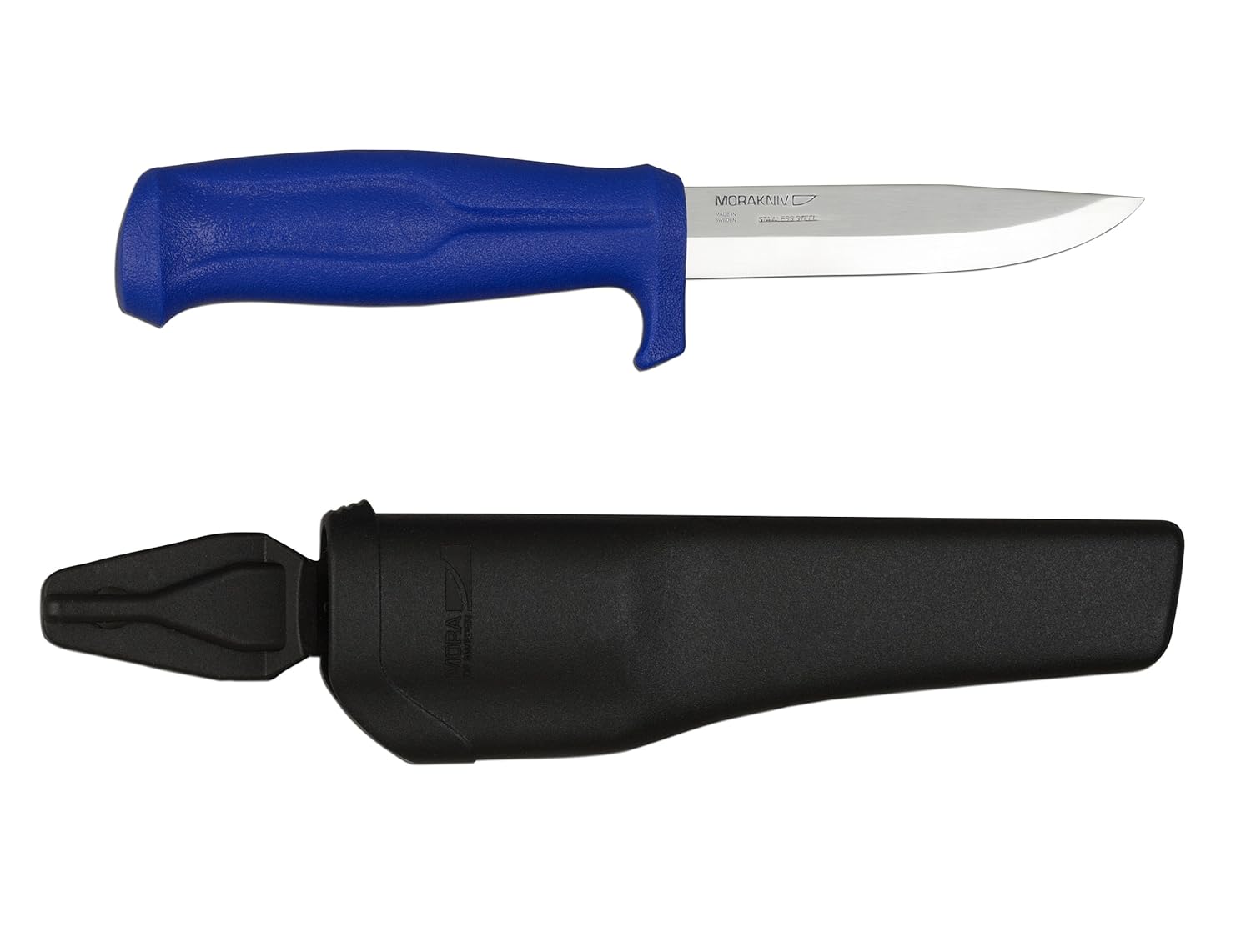
A Mora knife (in case I need to do finer work with a sharper blade than the Peregrine) and a flashlight that turns into a lantern.


An Adventure Medical Trama Pak with QuickClot, an Israeli compression bandage, and a roll of Gorilla tape.  Note to self:  You moved the tourniquet out to your in-home medical bag. Get another for this one. 


Here I have containers of various small things. No doubt some of you will think I'm an idiot for putting things in the water bottle. Let me reassure you: you will find another water bottle later on. This is just my backup.

Most of the stuff in my 1-liter Nalgene Tritan bottle is food or water-related:  Mostly energy bars and drink mixes. Also present are a ferrocerium rod, some duct tape, matches, a small emergency fishing kit, water purification tabs, a lighter, a water pasteurization indicator, some high SPF sunscreen (this being Florida and all) and one of those evaporative cooling bandanna things.


My "fix it" pouch: Sewing kit, extra needles, extra thread, screwdriver and extra screws for eyeglass repair, a small pack of disposable utility blades, a Derma-Safe razor knife and mini-saw, another lighter, and a set of AA batteries just because they're good to have. Also, some Tinder-Quik.


Electronics stuff.  The Halo Charger will recharge a cell phone and is supposed to hold a charge for up to a year, and an iPod. Not only does this give me morale-boosting music, but this particular model comes with its own AM/FM radio, which is handy in case of an emergency.  (Note to self: Put some earphones in there!)


Inside the media pocket are small useful tools:  a Sillcock key of multiple sizes, more quick tinder, a map of the local area, Tool Logic card and Swiss army knife, and a cord and plug for recharging the iPod. These are here and not in the box so that I can get at them to recharge other devices (like my iPhone in my EDC kit) without having to open a bunch of things. 
A steel mug, 100 feet of paracord (useful stuff), a headlamp, a hammock (nests inside the mug), a 36-hour survival candle, an Esbit folding stove with fuel tabs, some old tongue depressors (can be used for splints or as kindling for a fire), some foot powder and some Potassium Iodide tablets. That last item will cause some raised eyebrows, I'm certain.


A dry bag (that's the green thing at bottom right) containing extra socks & underwear, a map of the Eastern US (useful for road trips), the SAS Pocket Survival Guide, the Pocket Ref, the Eton Microlink, several bags of soup and tea  (to be made using the cup and stove, above), a bivvy sack, and a bag of kindling.


Exactly what it looks like.


Side Compartments:


 Left compartment: zip-ties, Craftsman Clench Wrench, Figure 9 carabiner from Nite-Ize, and a set of playing cards in a waterproof container.


Right compartment:  Pocket chainsaw, mini-crowbar, mini-trowel, a Shish-ka-bob skewer, and another Figure 9 carabiner. Between them and the rope I should be able to set up the hammock and/or the emergency tent as needed.


Front Compartment:


Medical supplies, including a larger first aid kit than is in my EDC, several types of painkillers, insect spray, hand sanitizer, pocket soap, New Skin (for paper cuts and the like), an emergency blanket, a blister kit and a Readi-Mask. (That last one isn't medical, but I worried that if I put it with my shemagh it would slide to the bottom of the pocket.)


Also included: eye drops, styptic pencil, Sharpie, pencil, another Swiss army style knife, and a Tide stain pen (because some emergencies involve spilling food on yourself.)


Finally, some stuff clipped to the outside of the pack for easy use:
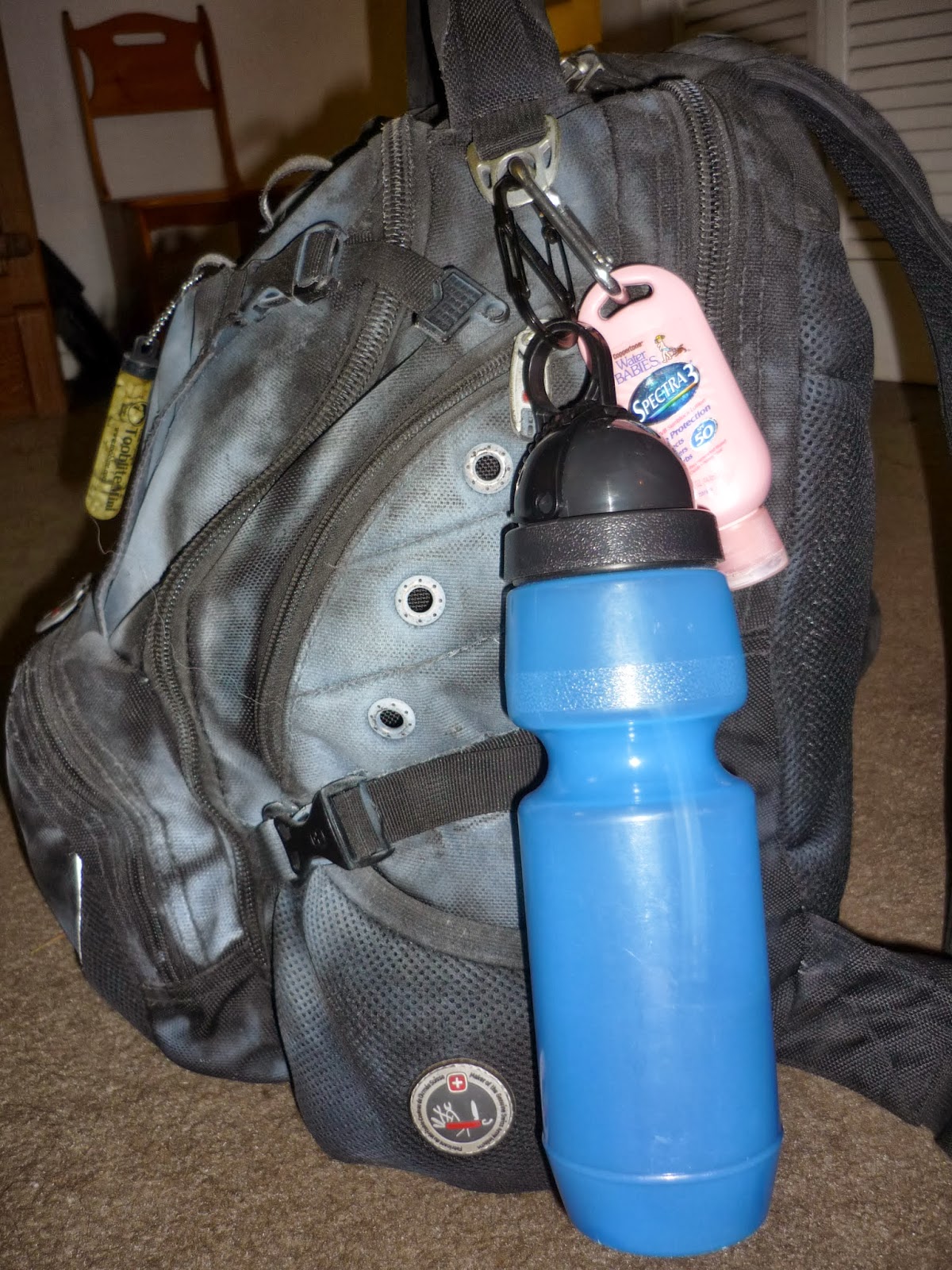


More sunscreen, a Tooblite so I can find this bag in the dark, and a Sport Berkey bottle with built-in water purifier.


Phew!  That is a LOT of stuff. It look me longer than I expected to photograph it all, which is why this post is a bit late.

As you can see, this is more than just a Get Home Bag.  It's also an "Oops, I'm having to spend the night" bag and a "Darn, I had a little accident" bag. I like to be prepared, y'see, and so whenever I get in the car to go somewhere, I take this bag along. Just in case. 

As always, comments, suggestions, and criticism are welcome regarding the contents of this bag.  Do you disagree with something I have?  Let me know!  I'm a big girl, I can take it!

Sunday, January 14, 2018

Ponchos and Rain Capes and Hats, Oh My!

Not actually Erin.
& is used with permission.
I live in Florida where, despite it being called the Sunshine State, it rains a lot. Hurricane season runs from June 1 through November 30, and when we aren't being battered by tropical storms or worse we have a tendency to get afternoon rain showers. We've even had a rainy January (with snow, of all things!), which is at odds with the current prediction for a La NiƱa-driven warm, dry winter season.

What I'm getting at here is that despite the fact I don't live in the Pacific Northwest, I know about rain and the importance of staying dry. I also know that there are times when you can't avoid going out into the rain, especially if you have dogs that need walking. The Venn Intersection of these two positions is "How best to stay dry in a variety of seasons."

Keep Your Feet Dry
There are few things more miserable than wet feet in wet shoes while you're walking. If you're in hot weather, that's a great way to get a fungal infection (I know from painful experience that they aren't fun at all), and if you're in cold weather that could result in sickness, hypothermia and even frostbite.

Both cases can be prevented by wearing waterproof boots. I am not a fan of galoshes, instead preferring to keep a pair of comfortable leather combat boots by the front door. They keep my feet warm and dry in a variety of environments, and the addition of wool socks should help in colder climates.

(I recommend against "jungle boots" unless you are spending a lot of time outside in warm, wet weather, as they aren't very good in the cold. A regular boot has a more universal application. However, if you need two pairs of boots, one for cold and one for hot, then by all means get them both.)

Keep Your Body Dry
There are many options for this, from raincoats to umbrellas. I am partial to the poncho for the following reasons:
  1. It covers more of my body than a rain jacket.
  2. It is faster and easier to put on than a rain suit. 
  3. It doesn't occupy a hand like an umbrella, nor is it as susceptible to wind.
  4. Unlike most waterproof coats it is unlined, meaning I don't have to worry about becoming overheated. Instead I layer, with the poncho as the waterproof outer shell and base insulating layers to keep warm. 
  5. A poncho can be turned into a shelter in an emergency. 
I have talked about the Swiss Rain Cape before, and it's a great low-cost option for preppers, but it isn't the best that I've used.

The very best poncho I have ever used is the Poncho Villa by Hazard 4. I bought this at the NRA 2016 convention and, while expensive, has been worth every penny I paid for it.

http://amzn.to/2CWkGo5
It is breathable. You may not understand how important this is until you're sweating underneath a piece of waterproof plastic and wondering if being cold and wet from the rain is preferable to being hot and wet from perspiration. The Poncho Villa (hereafter PV) is so comfortable that I have used it as a blanket while sleeping on a hospital couch.

It is waterproof. Even though the fabric allows my skin to breathe, it has kept me dry through two hurricane seasons.

It is adjustable. By this I mean that it has two snaps per side, allowing me to customize the amount of freedom you want for your arms. I can leave it unsnapped for maximum airflow or snap it up all the way for dryness. I prefer to fasten the lower but leave the upper snaps undone, as that allows me to more easily access my concealed pistol... and yes, I can rapidly drawn and aim from that condition.

It has velcro strips for reflectors.  There are velcro strips across the chest, the back, the back of the head, and the shoulders. If you are concerned about visibility at night (especially if you are wearing the black version), you can attach reflectors without worrying about compromising your poncho's waterproofing; if safety isn't a concern, you can attach unit or morale patches instead.

http://amzn.to/2CWkGo5
It has a pocket. There is a 12"x14" belly pocket that will hold hats, gloves, and other gear and which seals with velcro for a secure closure.

http://amzn.to/2CWkGo5
It is compressible, by which I mean it can fold into that pocket to become a pillow. The material is soft enough that it feels comfortable against my skin.


It has grommets at the corners like a mil-spec poncho, so you can turn it into a shelter with just some rope.

http://amzn.to/2CWkGo5

In the interest of fairness, I need to point out that there are two things I don't like about this poncho:
  1. It's not as long as most ponchos. I am 5'4" and it comes to just below my knees. This is not a terrible problem for me, because my combat boots come fairly high up my shin, but for people with longer legs this may be an issue. 
  2. I do not like the hood. I dislike hoods in general because they muffle my hearing, restrict my vision, and when I turn my head they don't turn with it so I end up being able to see out of only one eye. Which brings us to...
Keep Your Head Dry
Since I don't like hoods, the best way to keep my head dry is to use a waterproof hat. In warm weather, I use a wide-brimmed boonie hat that was been Scotchgarded to within an inch of its life; for cold weather, I have an insulated and waterproof hat with fold-down ear flaps (a balaclava is sometimes necessary if it's windy).


Stay dry = stay warm = stay healthy = stay alive.


Dear FCC: All items were bought with my own money. Go away. 

Friday, July 3, 2015

Blue Collar Prepping Recommends...

& is used with permission.
I have been asked by several people if I would make a post where I list basic survival equipment and prepping supplies that have been endorsed by our authors. Since many of these these links lead to Amazon Affiliate pages and therefore indirectly help support this blog, I am more than happy to oblige.

As more recommendations are made, I will give this section its own page in the header, so it can be found easily.

For a Ready-Made Bug-Out Bag, BCP Unanimously Recommends:
Michael Z. Williamson's Bail-Out Bag. A comprehensive review of it begins here.


Erin Recommends:

Mora Knife. Every prepper needs a good fixed-blade knife, and Moras are some of the best kept secrets of the knife world -- very sharp, durable, high in quality and ridiculously inexpensive. The carbon steel version holds a sharper edge, but is more prone to rusting, so I recommend the stainless steel version for new preppers or for folks who just want to throw a knife into their bags and not worry about it.

Cold Steel Kukri Machete. It's part machete, it's part cleaver, it's part hatchet. I have used mine to cut down small trees. I've used and abused this blade for six years and it's still going strong, as it's made of incredibly tough steel. It's also very affordable ($20-25). Regardless of which version you get -- regular, Magnum, or Royal -- you will not be disappointed.

EZE-LAP pocket diamond sharpener. If you carry a knife you'll need a way to sharpen it, and this little gadget is both effective and convenient. I've been carrying one in my EDC kit for years.

Speedy Sharp. For when a file just can't fix a really damaged knife, or you need to put a working edge on a seriously blunt piece of metal. Read my review of it here.

Nalgene Tritan Wide Mouth BPA-Free Water Bottle. It holds a quart of water (almost a liter) and is practically unbreakable. (I'm sure dedicated destructoids could find a way.)

GSI Outdoors Glacier Stainless Bottle Cup. It  fits over the bottom of the above Nalgene bottle for maximum space savings.

Water Pasteurization Indicator. You don't even have to boil water; just pasteurize it instead. Save time and fuel!

Rothco Paracord. Basically the duct tape of camping, not only is it very strong rope (the 550 stands for being able to support 550 pounds), you can take out the inner strands and use them for things like dental floss, fishing lines, etc. Replace your shoelaces with paracord and you have a free, weightless prep.

Spool Tool. A handy way to store that paracord, along with other useful tools like a lighter holder and an integrated cutting tool. Read my review here.

Adventure Medical Kits Heatsheets Survival Blanket. It isn't exactly comfortable, but it's light enough to carry anywhere and it'll keep you warm and dry in a pinch. I suggest getting the two-person version, as it's always better to have more blanket for one person than try to fit two under a single-size.

Rothco Shemagh. I talked about this in the second Gun Blog Variety podcast. Get one in military colors and avoid red, red & white, black & white, and if you're in gang country, blue.

Military Surplus Swiss Poncho. Actually, this is properly a rain cape and not a poncho; the difference is that a cape is a fitted garment while a poncho is essentially a rectangle folded in half with a hole cut in the middle for your head. I like this item for three reasons:
  1. Countries in wet Western Europe know how to make proper rain gear that keeps you dry.
  2. You can fasten the snaps around your legs if you want to ride a bicycle (or a horse).
  3. It's large enough to cover a military rucksack and still keep you dry.
Emergency Sleeping Bag. Similar to the mylar rescue blanket, only enclosed so that you don't lose heat to the cold, hard ground. Pair this with the poncho above and you'll make it through any cold and wet situation that doesn't involve snow.

Doan's Magnesium Fire Starter. Make sure it's true magnesium from a reputable source like Doan's, and not a conglomeration of cheap pot metal.

Coughlans 36 Hour Survival Candle. A stable source of flame is damn handy, and this will also give you light to see if it's getting dark. Comes with a book of matches.

4x Magnification Fresnel Lens. While you can start a fire with it, there are easier ways. Instead, just keep this credit card-sized magnifying lens in your pocket/wallet/purse and use it to, well, magnify things. Good for minor first-aid tasks like removing splinters and the like.

Starflash Signal Mirror. Reflective like glass but made of plastic, it's scratch-resistant, aimable, unbreakable (they claim) and it floats. Pair it with...

UST Jetscream Whistle and you have an unbeatable combination for signaling with sound and light.

Eton FRX2 Hand Turbine AM/FM Weather Radio with Smartphone Charger is a flashlight, a radio, and a way to charge electronic devices. Pair it with the Power Practical Fast Charge 3 in 1 Cable and you ought to be able to charge most anything in the field. Read my review of both here and here.

Halo Pocket Power Charger. A lipstick-sized battery that holds a charge for a very long time. Comes with a variety of adapters. Read my review of an older model here.

WaterBOB (Bathtub Oblong Bladder). A single-use water storage and dispenser unit that turns a bathtub into an emergency water source and keeps that water safe from contamination. See my review here.

Solo Stove & Pot and/or Folding Firebox. Both are excellent camp stoves with features that the other lacks. Read my review of them here.


Lokidude Recommends:

Instafire fire starting fuel. Catches a spark easily and can serve as tinder or kindling in a pinch. Read his review here.

CRKT Eat'n Tool XL.
 The ultimate spork. Read his review here. 

UCO Micro Candle Lantern. A way to turn tea candles into useful camping equipment. Review here. 

Sparkie Fire Starter. This will get a fire going easily, even use it one-handed. Review here. 

Esbit Folding Stove. Put your cup on this stove and you can boil water, then pour the purified water into your bottle. Review here.

Outdoor Element Kodiak Bracelet. Firestarter, tinder and fishing line, all inside a paracord bracelet. Review here.

Gerber MP400 Compact Sport multi-tool. The Gerber version of a Leatherman. Review here.


David Recommends:
Butane Camp Stove. His review stove says "Jinyu" but it appears to be sold under a variety of names, all of which are made in China.

Sawyer Mini Water Filter. Weighs 2 ounces, fits in the palm of your hand, and can filter up to 100,000 gallons of water with proper maintenance. Its big brother can filter up to 1 million gallons. Review here.


Light My Fire Ferro Rod with Whistle. Two important rescue elements in one easy to use package. Review here.

Goal Zero Guide 10 Plus. An excellent solar charger that just happens to be rather expensive. Review here.

Power Pot. Generate electricity via thermocouple while boiling water at the same time. Works on various camp stoves or on hot coals. Review here.


Firehand Recommends:
KT Sports Tape. Some people have called it a placebo, but placebos have been proven to help reduce pain. Either way, it helps with muscle and joint pain. Read the product review here. 

Cree Ultrafire 7W LED Flashlight. It's 300 Lumens, has an adjustable focus, runs on a single AA battery and costs around $4. What's not to love? Read his review here. 


Chaplain Tim Recommends:
Nebo Twyst LED Flashlight. It's a flashlight, a work light and a lantern, and it has many useful features. Read his review here. 

Evelyn Recommends:
Prepping For Women. A book that focuses on the specific health and sanitation needs of female preppers. Read her review here. 


Friday, October 31, 2014

10 more preps for under $10

Not actually Erin.
Picture by KJ Photography
& is used with permission.
I'm getting ready for a Halloween Soiree, and since I figure most people are doing likewise, here's another quick and easy 10 for $10 post that you can read tonight -- or tomorrow morning over your coffee, should you be too busy with ghouls, goblins and wee beasties.


1)  Paracord.  Basically the duct tape of camping, not only is it very strong rope (the 55 stands for being able to support 550 pounds), you can take out the inner strands and use them for things like dental floss, fishing lines, etc.  Replace your shoelaces with paracord and you have a free, weightless prep.

2)  WD-40.  This is used as a solvent to remove rust and displace water. It is NOT a long-term lubricant, as it quickly dries out and leaves surfaces un-lubricated and vulnerable to rust. It also has a tendency to attract dirt. For lubrication and rust protection, use CLP (mentioned in my previous 10 for $10 article) instead.

3)  Swiss Poncho. Actually, this is properly a rain cape and not a poncho; the difference is that a cape is a fitted garment while a poncho is essentially a rectangle folded in half with a hole cut in the middle for your head. I like this item for three reasons:
  1. Countries in wet Western Europe know how to make proper rain gear that keeps you dry.
  2. You can fasten the snaps around your legs if you want to ride a bicycle (or a horse).
  3. It's large enough to cover a military rucksack and still keep you dry.

4)  Emergency Sleeping Bag. It's like a Mylar rescue blanket, only enclosed so that you don't lose heat to the cold, hard ground. Pair this with the poncho above and you'll make it through any cold and wet situation that doesn't involve snow.

5)  Is there snow? Need to dry out wet clothes?  Build a fire with a magnesium fire starter. Make sure it's true magnesium, though, and not a conglomeration of cheap pot metal.


6)  Although if you're going to start a fire, it's far easier to light a match and start a survival candle burning. A stable source of flame is damn handy, and this will also give you light to see if it's getting dark.

7)  Fresnel Lens. While you can start a fire with it, there are easier ways. Instead, just keep this credit card-sized magnifying lens in your pocket/wallet/purse and use it to, well, magnify things. Good for minor first-aid tasks like removing splinters and the like.

8)  Starflash Signal Mirror. Reflective like glass but made of plastic, it's scratch-resistant, aimable, unbreakable (they claim) and it floats. Pair it with...

9)  ... a UST Jetscream Whistle and you have an unbeatable combination for signaling with sound and light.

10)  Put all your stuff into an inconspicuous sling bag or backpack and make your Get Home Bag look like it's filled with school work or gym stuff.


Friday, January 30, 2015

My Bug-Out Bag: Part 5 of 6

Not actually Erin.
& is used with permission.
Part 1
Part 2
Part 3
Part 4

Welcome to Part 5 of what I now think will be a 6-part series. Today I'm going to cover the top part of the main compartment. I'm breaking this section into two pieces because it will be image-heavy, just like the rest of this series.


The very first item once I open the drawstring is a Swiss Alpenflage Poncho. I try to avoid camo in my bug-out gear because I don't want to attract the wrong attention when evacuating, but I went with this for three reasons:
  1. It's specifically designed to go over a rucksack so that both I and my gear stay dry. I've tried it, and yes, it fits. Just bake sure you're wearing tall boots so that the runoff doesn't soak your lower pants legs. 
  2. Switzerland is a rainy country, and so I trust them to make effective rain gear. I like how it leaves my arms free for doing whatever (and if I want to keep them dry I can just pull them inside), and there are various snaps along the bottom so that I can wear this while riding a horse or bicycle.
  3. To my utter surprise, the red-brown is exactly the same shade as Florida pine straw. This means it's effective camouflage, period, and while I want to look like a harmless civilian when evacuating there are still times when I might need to hide. 

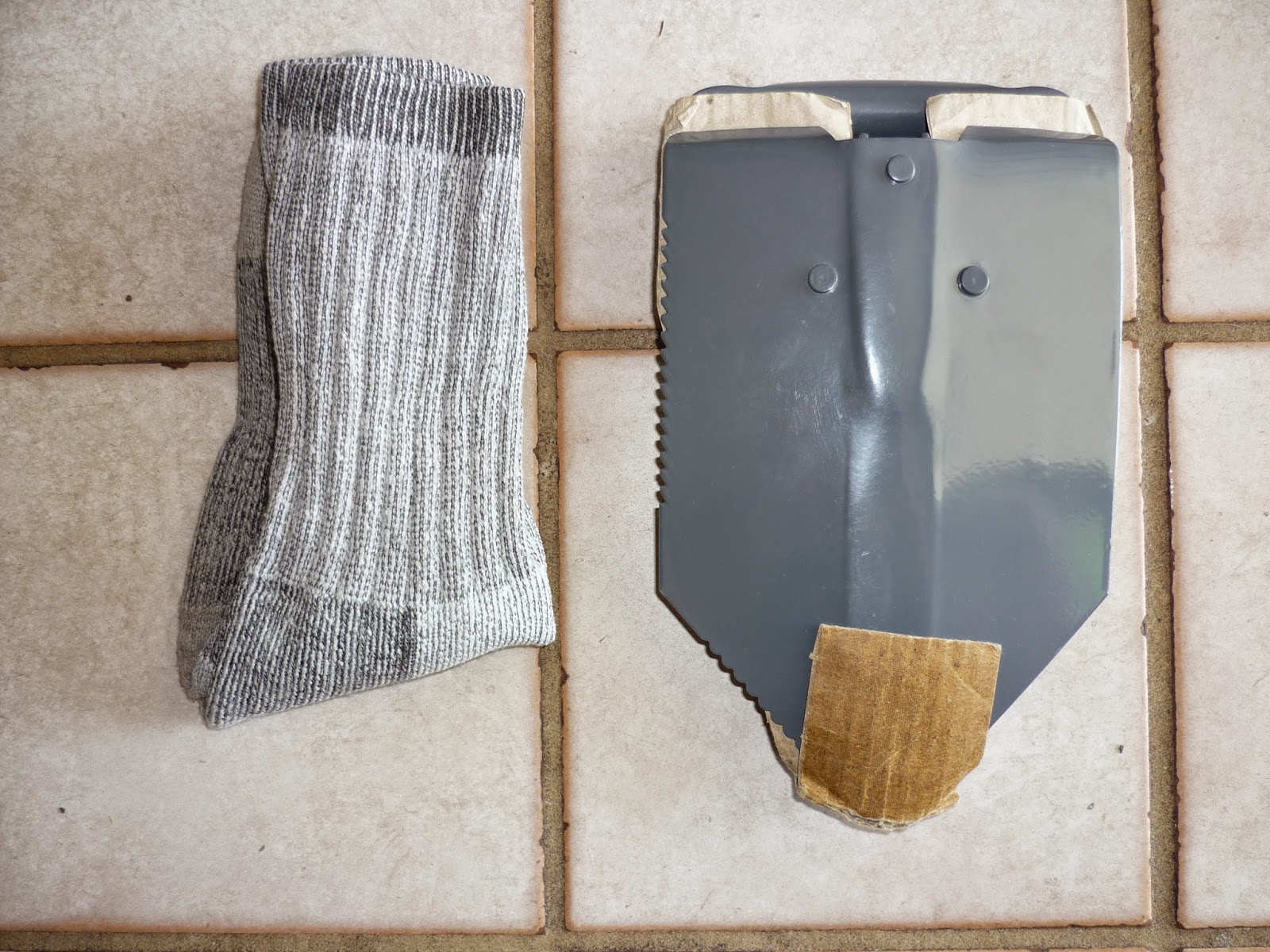
Immediately after the rain cape is a pair of woolen socks (easy to get to in case I need to change socks) and a Coleman Folding Shovel (because heavy things need to kept in the middle-top of the pack and close to my back).


www.wildbackpacker.com/backpacking-gear/backpacks/how-to-pack-a-backpack/

After that, things get a bit messy as I lack the ability to keep things organized and separated, yet easy to access. Suggestions on how best to correct this problem are more than welcome!

Front and center is the Power Pot that I got for Christmas, and nestled inside like Russian dolls (as I demonstrate in this video) is a Solo Pot and Stove combo.

Next to my back is an empty 2-liter hydration bladder, with (hopefully) enough room for it to fit when full. By "hopefully" I mean "I've filled it and had enough room, but I am constantly tinkering with my loadout and I've added some gear since I last tested it and I'm not 100% if everything still fits. I really need to clear my schedule and go camping so I can give everything a proper test."

Here's the rest of the top layer, spread out for easy identification in (roughly) the same position it occupied in the pack.


Clockwise from top:
  • Six-Herb Multi-Spice Pack. Has individual compartments for salt, paprika, curry, cayenne, garlic salt, and black pepper, which ought to enable me to eat nearly anything. It's wrapped in a Ziploc bag to prevent spills. 
  • Stainless steel Mora knife. 
  • Two large-size garbage bags. I really ought to add some white bags to this, so I'll go do that now. 
  • Top Ramen, Chicken flavor. Cooks quickly in the Solo Pot and weighs nearly nothing. 
  • Waterproof box from Lifeline that used to carry first-aid supplies but now has my deck of Edible & Poisonous Plants of the Eastern States recognition cards. Also inside is a backup thumb drive filled with scans of important documents, just in case the one on the outside of my pack is lost or damaged. 
  • A spatula & ladle taken from a Stanley 1.5 L Prep & Cook set. 
  • Camouflage mesh from the hunting department of Walmart. Can be used for concealment, or to keep mosquitoes off of me. 
  • A triangular bandage which ought to be in my first aid kit (which is in the lower section and accessible through the front loading panel) but wouldn't fit. 
  • A fishing kit I've put together but haven't tested for the same reasons I haven't been camping:
  • Another waterproof box, this time containing Knot Playing Cards. 
  • More Top Ramen!  This time it's beef flavor. 
  • A flashlight that I got from who-knows-where and is nifty because I can pull on the collar and it turns into a lantern. Great for use at bedtime while camping!


And that's the top half! Next week I'll show you the bottom half, as well as the stuff I'd like to be able to fit into my pack but can't quite make room for. 

The Fine Print


This work is licensed under a Creative Commons Attribution- Noncommercial- No Derivative Works 3.0 License.

Creative Commons License


Erin Palette is a participant in the Amazon Services LLC Associates Program, an affiliate advertising program designed to provide a means for sites to earn advertising fees by advertising and linking to amazon.com.